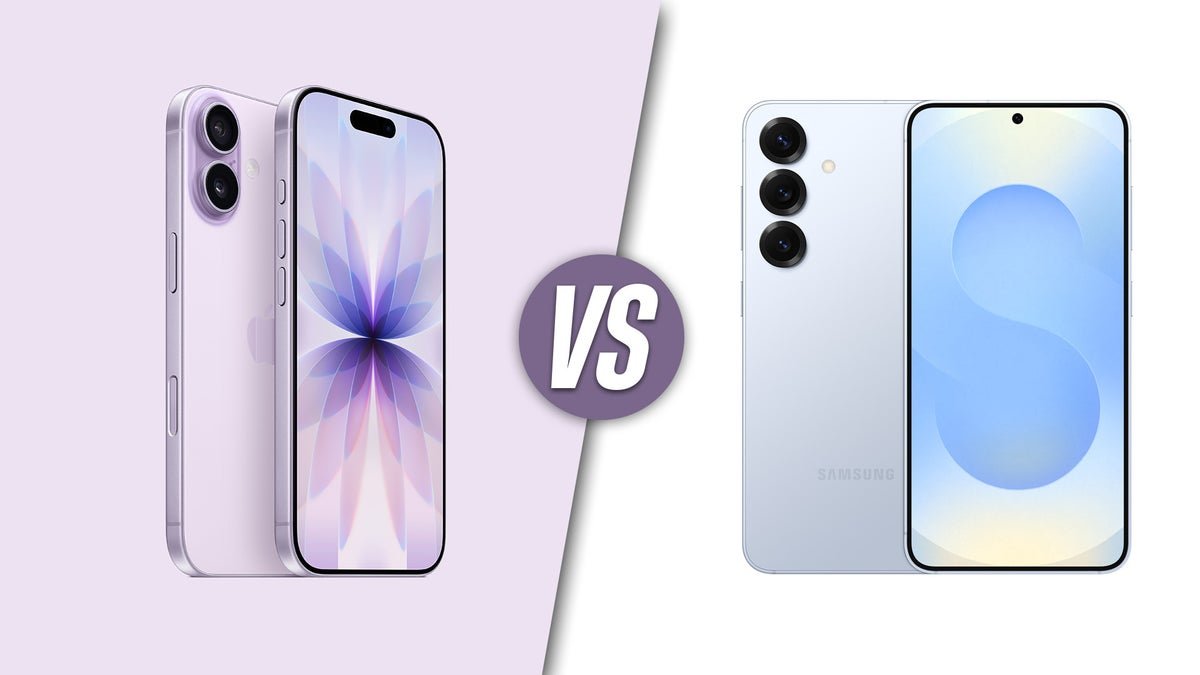
iPhone 17 vs Galaxy S25: Who wins the $799 flagship battle of 2025?

iPhone 17 vs Galaxy S25: Who wins the $799 flagship battle of 2025?
The second half of 2025 brings us Apple’s iPhone 17 — its most modern base iPhone in years, finally packing features like a 120Hz display, but also a sharper 18 MP selfie camera with OIS and a pro-grade ultrawide camera.
iPhone 17 vs Galaxy S25 differences:
| iPhone 17 | Galaxy S25 |
|---|---|
| Aluminum frame | Armor Aluminum frame |
| Ceramic Shield 2 front | Gorilla Glass Victus 2 front |
| reinforced glass back | Gorilla Glass Victus 2 back |
| 6.3″ OLED | 6.2″ AMOLED |
| 1-120Hz ProMotion | 1-120Hz |
| 3000 nits peak brightness | 2600 nits peak brightness |
| A19 Bionic (3nm) | Snapdragon 8 Elite (3nm) |
| 8 GB RAM | 12 GB RAM |
| 48 MP main camera | 50 MP main |
| 48 MP ultrawide camera | 12 MP ultrawide |
| No telephoto camera | 10 MP 3x telephoto |
| 18 MP selfie camera with OIS | 12 MP selfie, no OIS |
| Up to 30 hours video playback, stacked battery | 4000 mAh battery |
| 35W wired, 25W wireless with Qi2.2 | 25W wired, 15W wireless |
| $799, 256 GB base storage | $799, 128 GB base storage |
Table of Contents:
Design and Size
The S25 is a true compact flagship
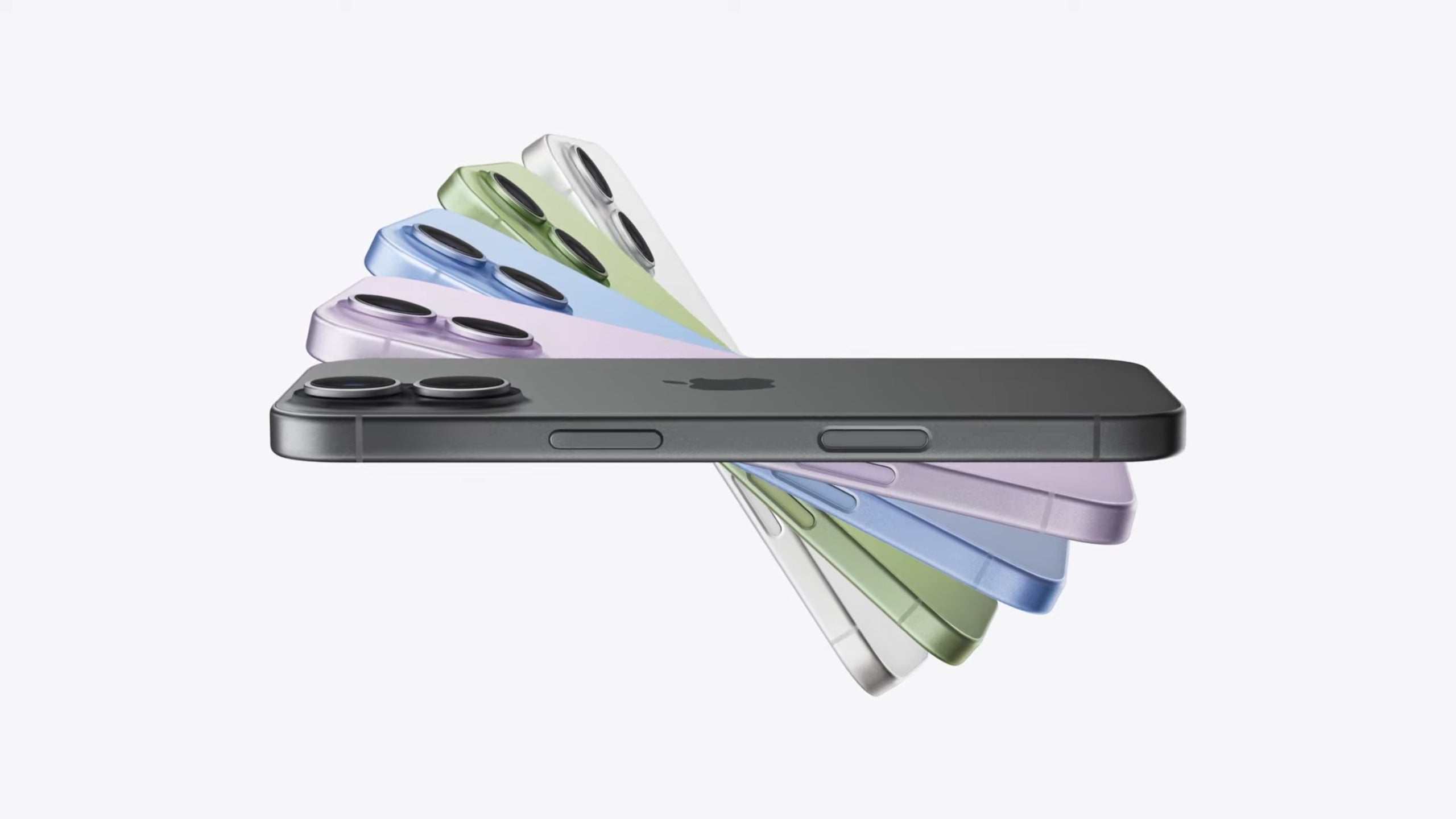
The iPhone 17 is larger, as Galaxy S25 stays the compact king at just 7.25mm. | Image credit — Apple
The Galaxy S25 is still the most compact mainstream flagship phone you can buy right now. It weighs just 162g and measures a sleek 7.25mm in thickness — one of the slimmest flagship phones in years. Samsung uses an aluminum frame combined with Gorilla Glass Victus 2 on both the front and the back for durability.
Apple’s iPhone 17, on the other hand, is taller, thicker, and heavier than its predecessor, and even more so when compared to the S25. Apple uses an aluminum frame with a Ceramic Shield 2 front (which it claims is three times more scratch-resistant than the previous generation) and a reinforced glass back. Unlike the Pro models, though, the back does not get Ceramic Shield 2.
| iPhone 17 | Galaxy S25 |
|---|---|
| Thickness 8 mm |
Thickness 7.25 mm |
| Dimensions 149.6 x 71.5 mm |
Dimensions 146.9 x 70.5 mm |
| Weight 177 grams |
Weight 162 grams |
- Black
- Lavender
- Mist Blue
- Sage
- White
- Icy Blue
- Mint
- Navy
- Silver Shadow
- Pink Gold
- Coral Red
- Blue Black
Display Differences
iPhone 17 now has Apple’s brightest display yet, finally with 120Hz ProMotion. | Image credit — Apple
| iPhone 17 | Galaxy S25 |
|---|---|
| Size 6.3″ |
Size 6.2″ |
| Brightness 3,000 nits (peak) |
Brightness 2,600 nits (peak) |
Both phones offer symmetrical bezels, though Apple trimmed them further with the iPhone 17. For biometrics, Apple sticks with Face ID in the Dynamic Island, while Samsung uses an ultrasonic fingerprint reader under the display, supplemented by basic Face Unlock.
Performance and Software
Snapdragon 8 Elite vs A19
iPhone 17 gets faster and more efficient, but Galaxy S25 leads with more RAM. | Image credit — Apple
Apple’s iPhone 17 runs on the A19 Bionic, built on TSMC’s refined 3nm (N3P) process. The company claims this new chip is more efficient and better optimized for sustained workloads compared to the A18. It is paired with 8 GB of RAM and a base storage of 256 GB, which is double the iPhone 16, all without any price increase.
Samsung powers the Galaxy S25 with Qualcomm’s Snapdragon 8 Elite, which is also built on a 3nm node. It comes with 12 GB of RAM and up to 512 GB of UFS 4.0 storage, giving it an advantage in memory and storage speed. The increased memory is especially helpful for tackling on-device AI features, which is an area where the iPhone is still lagging behind.
| iPhone 17 | Galaxy S25 |
|---|---|
| Chip A19 |
Chip Qualcomm Snapdragon 8 Elite |
| Process 3nm |
Process 3nm |
| RAM, Storage — 8/256 GB 8/512 GB LPDDR5X RAM |
RAM, Storage 12/128 GB 12/256 GB 12/512 GB LPDDR5X RAM |
- iPhone 17 launches with iOS 26, introducing the new Liquid Glass interface, Call Screening, Live Translate, smarter Messages, and Apple Intelligence. However, many advanced AI features, including Siri 2.0, won’t roll out until 2026 or later.
- Galaxy S25 ships with One UI 7 on Android 16, with Galaxy AI fully integrated. This includes Circle to Search, real-time Live Translate, Note Assist, and generative photo editing.
Samsung promises 7 years of software updates, and while Apple doesn’t make any promises when it comes to software support, iPhones are typically supported for at least 5 years, often more than that.
Camera
Apple still won’t offer a dedicated telephoto camera
iPhone 17 gains sharper ultrawide and smarter selfies, but still lacks real zoom. | Image credit — Apple
Apple has given the iPhone 17 camera system a good boost. While it keeps the 48 MP main camera from last year, the ultrawide has been upgraded to 48 MP (up from 12 MP), delivering sharper detail and improved macro photography.
On the front, we have a brand new 18 MP camera with Center Stage, which uses a larger square sensor that captures both portrait and landscape selfies without rotating the phone, automatically widening the frame for group shots. It also supports stabilized (with optical image stabilization) 4K HDR video and Dual Capture for recording with both front and back cameras.
| iPhone 17 | Galaxy S25 |
|---|---|
| Main 48 MP, f/1.6 26 mm 1/1.56″ sensor size |
Main 50 MP, f/1.8 24 mm 1/1.56″ sensor size |
| Ultrawide 12 MP, f/2.2 13 mm Unknown sensor size |
Ultrawide 12 MP, f/2.2 13 mm 1/2.55″ sensor size |
| Telephoto None |
Telephoto 10 MP, f/2.4 3X zoom (67mm) 1/3.94″ sensor size |
Battery Life and Charging
For the first time the iPhone has better charging than its Galaxy counterpart
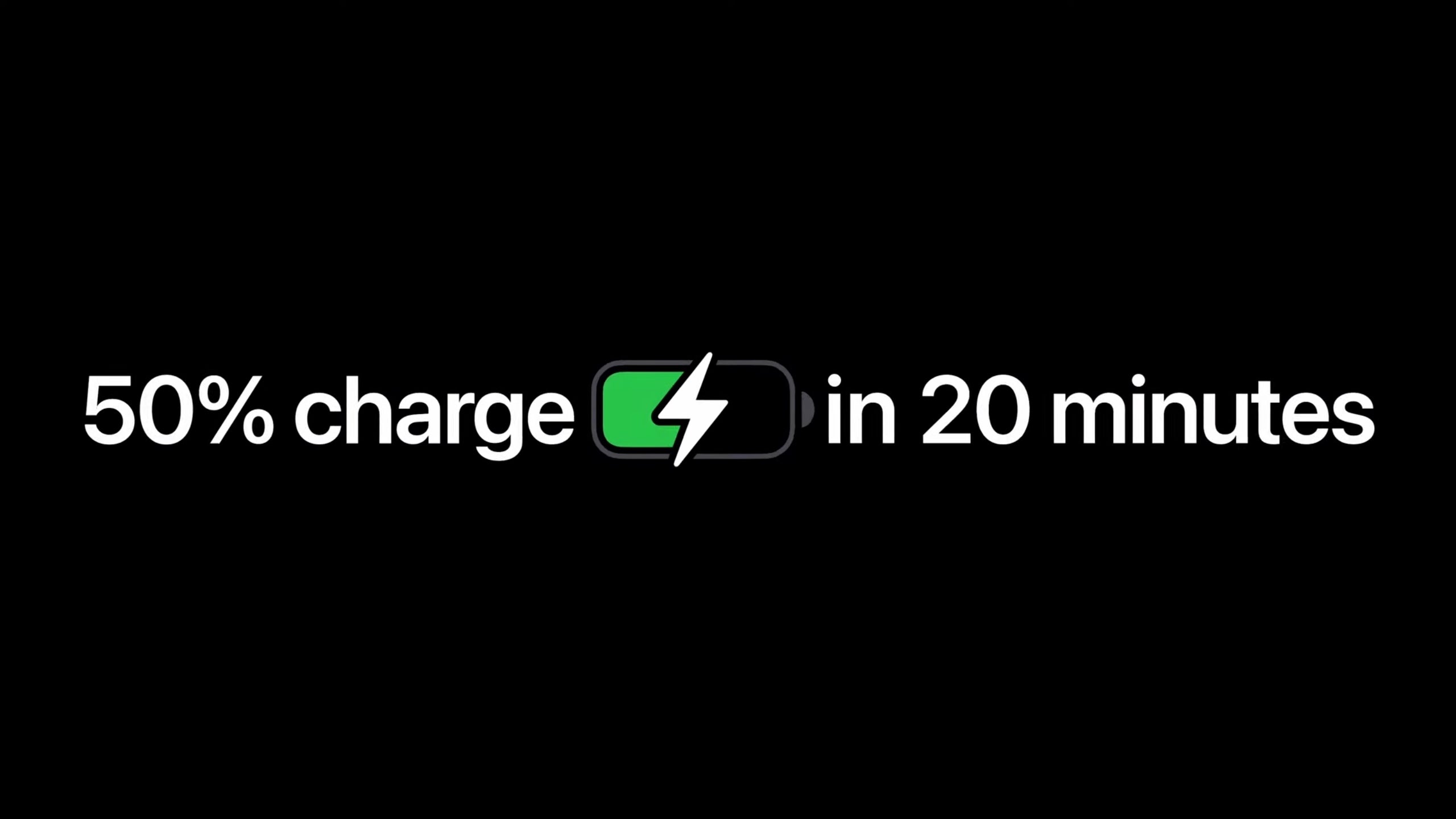
The iPhone 17 comes with faster charging speeds. | Image credit — Apple
Samsung’s Galaxy S25 has a slightly larger 4000 mAh battery, but slower charging: 25W wired and 15W wireless, though it supports reverse wireless charging, which Apple still hasn’t included in any of its phones.
| iPhone 17 | Galaxy S25 |
|---|---|
| Battery size ~3,600 mAh |
Battery size 4,000 mAh |
|
Charging speeds 25W Magsafe wireless charging Qi2.2 support USB-C 2.0 |
Charging speeds 25W wired 15W wireless charging — USB-C 3.2 |
Specs Comparison
| iPhone 17 | Galaxy S25 |
|---|---|
| Size, weight 147.6 × 71.6 × 7.95 mm, 177 g |
Size, weight 146.9 x 70.5 x 7.25mm, 162g |
| Screen 6.3″ OLED 120Hz |
Screen 6.2″ OLED 120Hz |
| Processor Apple A19 3nm |
Processor Snapdragon 8 Elite 3nm |
| Versions: — 8/256 GB 8/512 GB LPDDRX5 |
Versions: 12/128 GB 12/256 GB 12/512 GB LPDDRX5 |
| Cameras: 48 MP main 48 MP ultra — 18 MP front |
Cameras: 50 MP main 12 MP ultra 10 MP 3X zoom 12 MP front |
| Battery: ~3,600 mAh |
Battery: 4,000 mAh |
| Charging: USB-C 40W wired 25W wireless |
Charging: USB-C 25W wired 15W wireless |
Summary
The Galaxy S25, however, still makes a strong case in some areas. It has a lighter, slimmer build, 12 GB RAM, and a telephoto camera. Samsung also remains ahead in AI integration, thanks to Gemini-powered tools built directly into One UI 7.
Of course, we won’t have the complete picture until we compare test results between the two phones, so stay tuned for those and camera samples, coming soon!
Source link

Latest news, essential insights and practical guides to life in Italy from The Local, Europe's leading independent voice