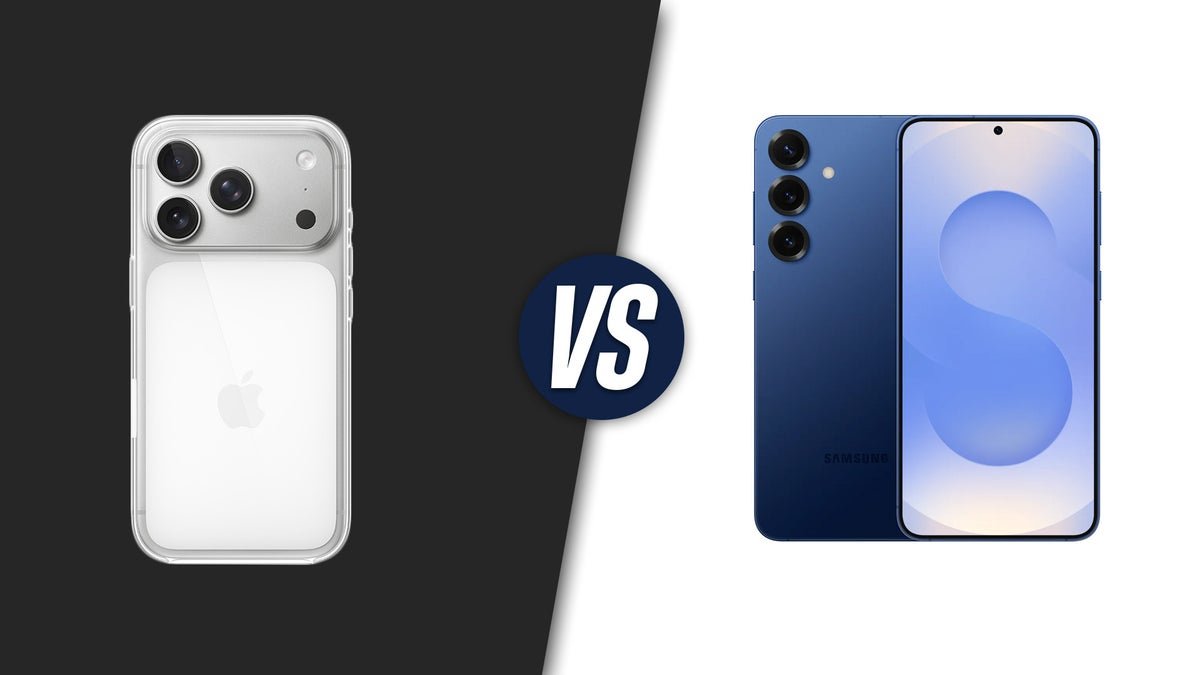
iPhone 17 Pro vs Galaxy S25: Are Apple’s $300 extras really worth It?
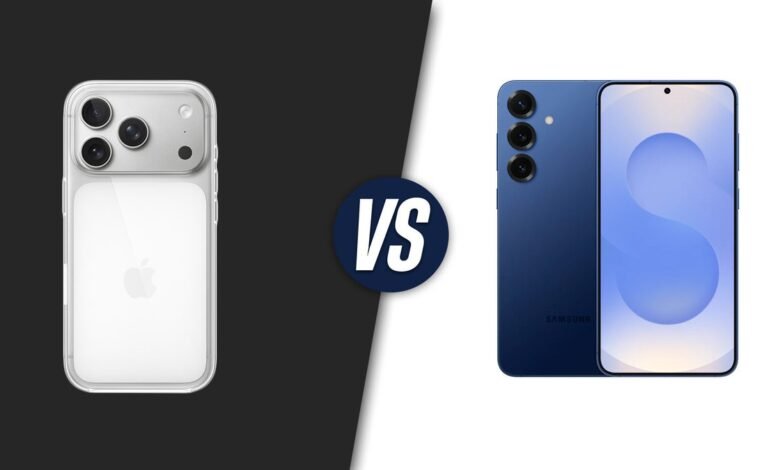
iPhone 17 Pro vs Galaxy S25: Are Apple’s $300 extras really worth It?
iPhone 17 Pro vs Galaxy S25 differences:
| iPhone 17 Pro | Galaxy S25 |
|---|---|
| Aluminum build | Aluminum build |
| Ceramic Shield 2 (front and back) | Gorilla Glass Victus 2 (front and back) |
| 6.3″ OLED | 6.2″ AMOLED |
| 1-120Hz display refresh rate | 1-120Hz display refresh rate |
| 3,000 nits peak brightness | 2,600 nits peak brightness |
| A19 Pro chip (3nm) | Snapdragon 8 Elite (3nm) |
| Vapor chamber cooling | Vapor chamber cooling |
| 12 GB RAM | 12 GB RAM |
| Up to 1 TB storage | Up to 512 GB |
| 48 MP main camera | 50 MP main |
| 48 MP ultrawide camera | 12 MP ultrawide |
| 48 MP 5x telephoto camera | 10 MP 3x telephoto |
| 18 MP Center Stage selfie | 12 MP selfie |
| ~3988/4252 mAh battery (SIM variant dependent) | 4,000 mAh battery |
| 40W wired charging | 25W wired |
| 25W Qi2 wireless charging | 15W wireless charging |
| 4.5W reverse wired charging | 4.5W reverse wireless charging |
| From $999 (256 GB) | From $799 (128 GB) |
Table of Contents:
Design and Size
Samsung keeps the compact crown, Apple experiments with durability
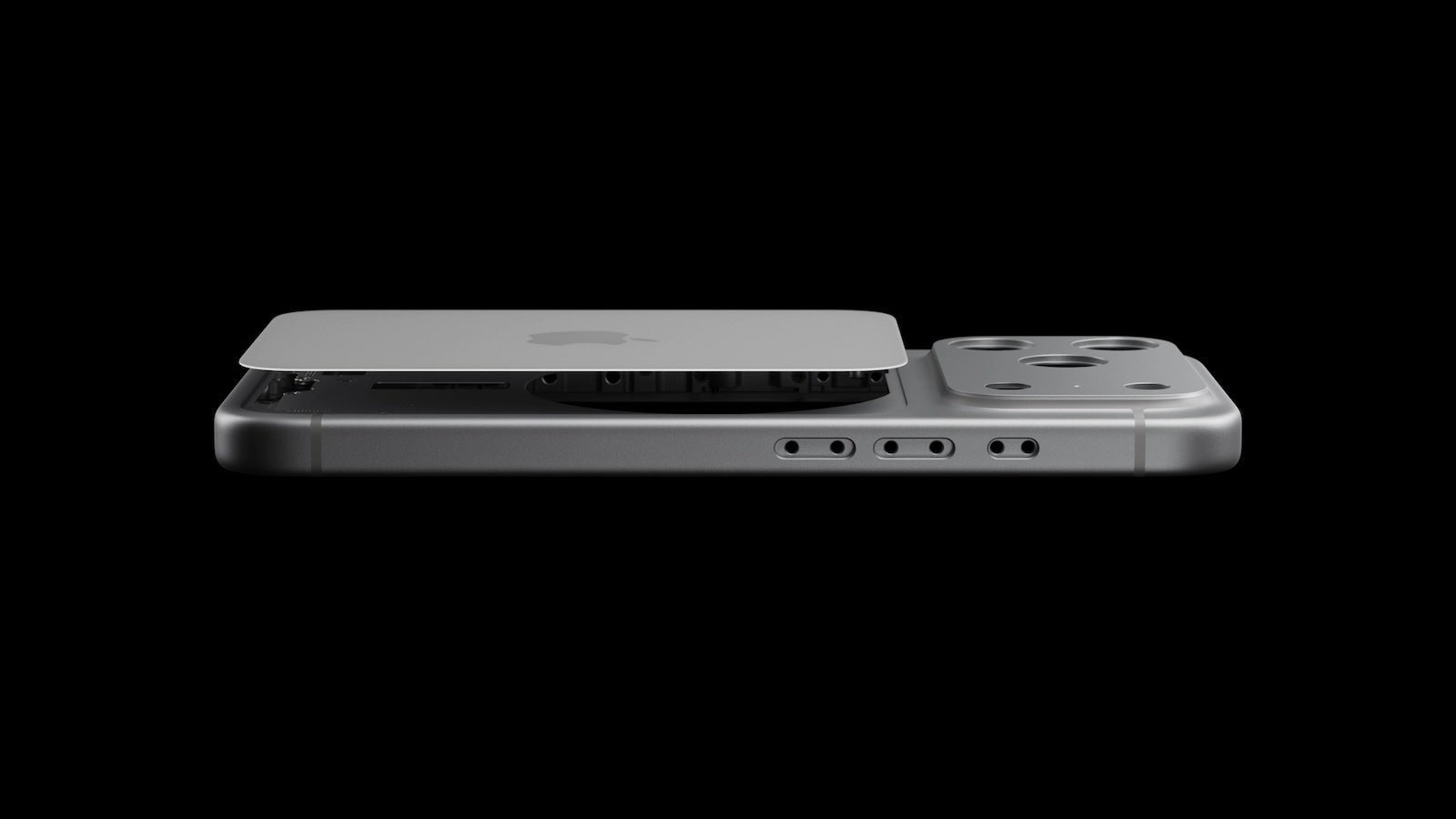
Galaxy S25 stays slim and light at 162g, while iPhone 17 Pro grows heavier with its new design. | Image credit — Apple
Apple’s iPhone 17 Pro, on the other hand, ditches titanium in favor of a forged aluminum unibody with Ceramic Shield 2 on both the front and back. Apple claims that Ceramic Shield 2 is three times more scratch-resistant than before. While this design improves durability, it also makes the Pro thicker at 8.3 mm and heavier at 194 grams. Oh, and there’s that new “camera plateau” that is… maybe not the prettiest look.
| iPhone 17 Pro | Galaxy S25 |
|---|---|
| Thickness 8.3 mm |
Thickness 7.25 mm |
| Dimensions 146.6 × 71.5 mm |
Dimensions 146.9 x 70.5 mm |
| Weight 194 grams |
Weight 162 grams |
Display Differences
Apple finally raises the bar when it comes to display brightness. The iPhone 17 Pro’s 6.3-inch OLED display now hits up to 3,000 nits outdoors — the brightest iPhone screen yet, and a small step ahead of the Galaxy S25’s 2,600 nits peak. Both panels have a 1-120Hz.
Samsung comes with a slightly smaller 6.2-inch screen, which also looks excellent. For biometrics, Apple relies on Face ID inside the Dynamic Island, while Samsung pairs an ultrasonic fingerprint scanner with basic Face Unlock.
| iPhone 17 Pro | Galaxy S25 |
|---|---|
| Size 6.3″ |
Size 6.2″ |
| Brightness 3,000 nits (peak) |
Brightness 2600 nits (peak) |
Performance and Software
Snapdragon vs A19 Pro: the clash of a new generation
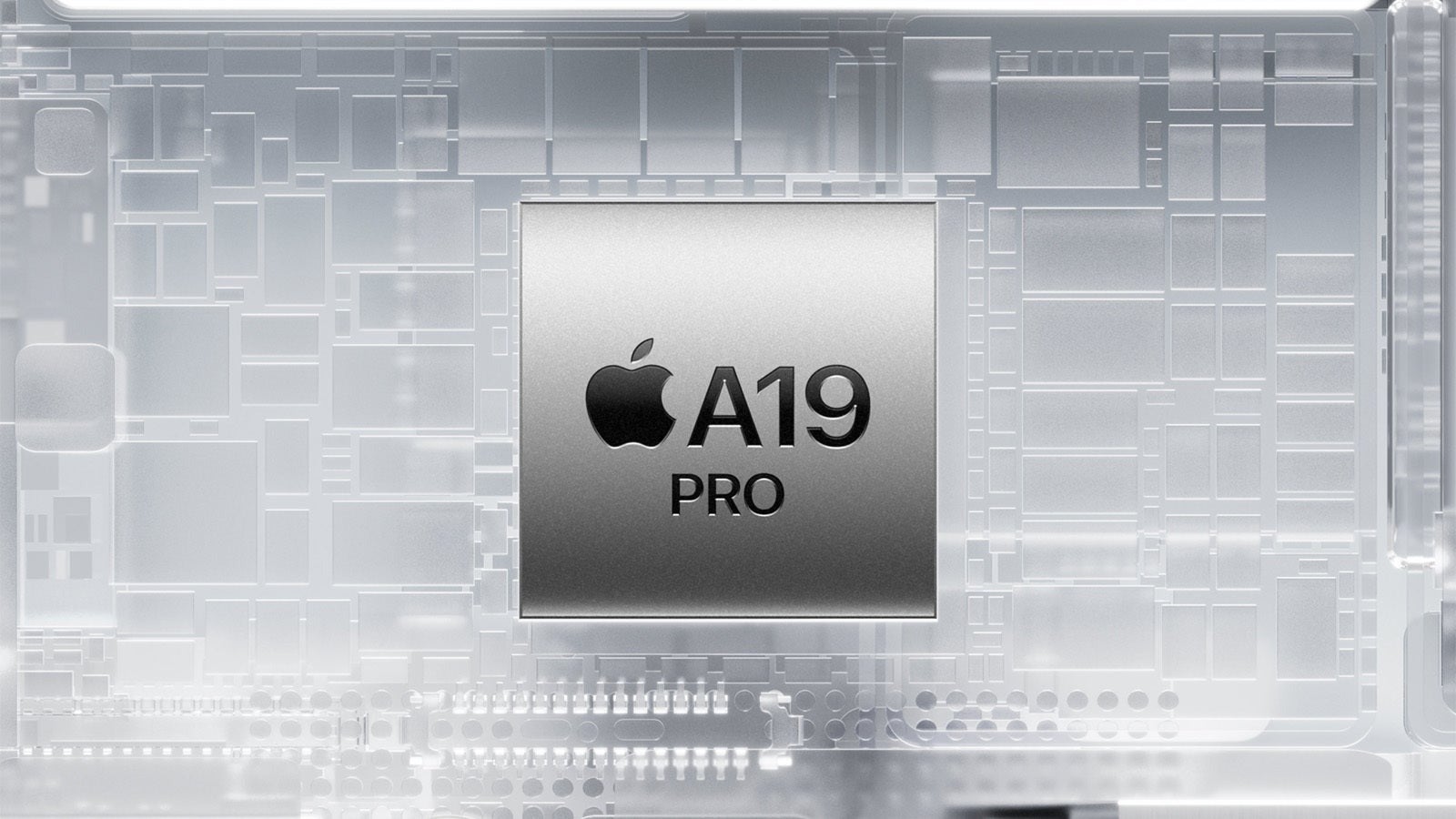
iPhone 17 Pro finally adds vapor chamber cooling for longer sustained performance. | Image credit — Apple
The iPhone 17 Pro debuts Apple’s new A19 Pro chip, built on TSMC’s 3nm N3P process. Apple finally introduces a vapor chamber cooling system, which should help sustain peak performance for longer.
Samsung uses Qualcomm’s Snapdragon 8 Elite (for Galaxy), which is also a 3nm chip. It delivers blazing-fast performance, especially in graphics-heavy tasks, and it is paired with 12 GB of RAM.
Storage-wise, the iPhone starts at 256 GB and tops at 1 TB, whereas the S25 starts at 128 GB and tops at 512 GB.
| iPhone 17 Pro | Galaxy S25 |
|---|---|
| Chip A19 Pro |
Chip Qualcomm Snapdragon 8 Elite |
| Process 3nm |
Process 3nm |
| RAM, Storage 12/256 GB 12/512 GB 12/1 TB LPDDR5X RAM |
RAM, Storage 12/128 GB 12/256 GB 12/1 TB LPDDR5X RAM |
Camera
Apple finally upgrades the telephoto camera
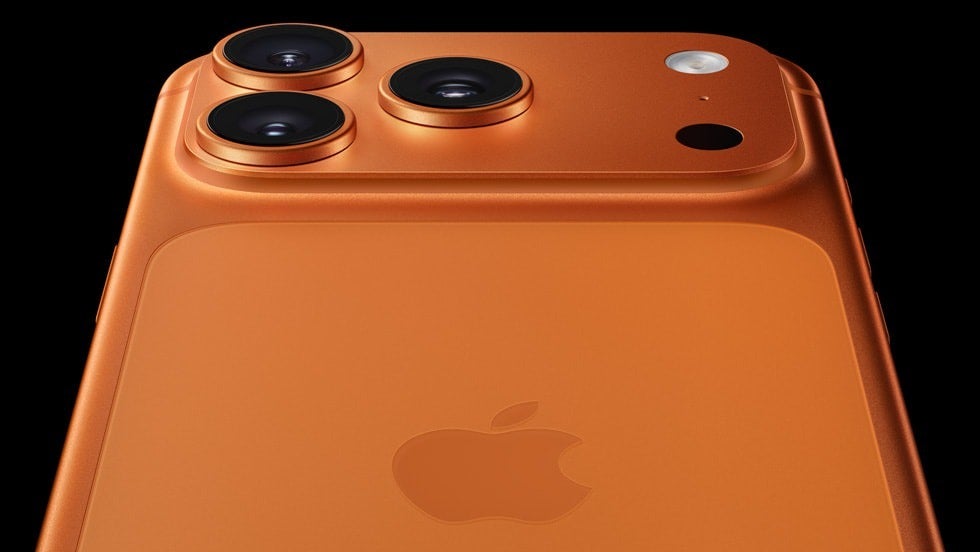
iPhone 17 Pro debuts an all-48 MP telephoto camera with 4x and 8x zoom. | Image credit — Apple
With the iPhone 17 Pro, for the first time, the Pro models adopt an all-48 MP triple-camera system. Both the main and ultrawide cameras have been updated with new pipelines to capture finer detail and better dynamic range across lighting conditions.
The brand-new 48 MP telephoto comes with a tetraprism telephoto lens that supports 4x optical zoom at 100 mm and a much longer 8x zoom at 200 mm, with improved stabilization on a larger sensor. For photos, digital zoom now extends up to 40x, pushing the iPhone Pro series into territory previously dominated by Samsung’s Ultra series.
On the front, Apple has upgraded the selfie camera to 18 MP, giving users higher resolution, a wider field of view, and more flexible framing options. It also comes with optical image stabilization, which should come in handy when recording vlog-style videos.
| iPhone 17 Pro | Galaxy S25 |
|---|---|
| Main 48 MP, f/1.8 24 mm 1/1.28″ sensor size |
Main 50 MP, f/1.8 24 mm 1/1.56″ sensor size |
| Ultrawide 48 MP, f/2.2 13 mm 1/2.55″ sensor size |
Ultrawide 12 MP, f/2.2 13 mm 1/2.55″ sensor size |
| Telephoto 48 MP 5X zoom (85mm) Unknown sensor size |
Telephoto 10 MP, f/2.4 3X zoom (67mm) 1/3.94″ sensor size |
Video remains a major strength for both brands, but Apple adds new pro-grade tools this year. The iPhone 17 Pro still supports Dolby Vision HDR, 4K120, ProRes Log, but now you also have ProRes RAW capture for even more flexibility in post-production.
Another new addition with the iPhone 17 Pro is Genlock support, allowing multiple cameras to be synchronized for professional multi-camera setups. Apple has also brought Dual Capture video to the Pro models, letting you record simultaneously with the front and rear cameras — something Galaxy phones have been capable of for a while now.
The Galaxy S25, on the other hand, offers 8K video recording, which is something Apple still hasn’t introduced. That said, the iPhone 17 Pro has 4K 120fps video recording, which enables high-quality slow motion video.
Battery Life and Charging
Apple’s biggest jump in battery capacity
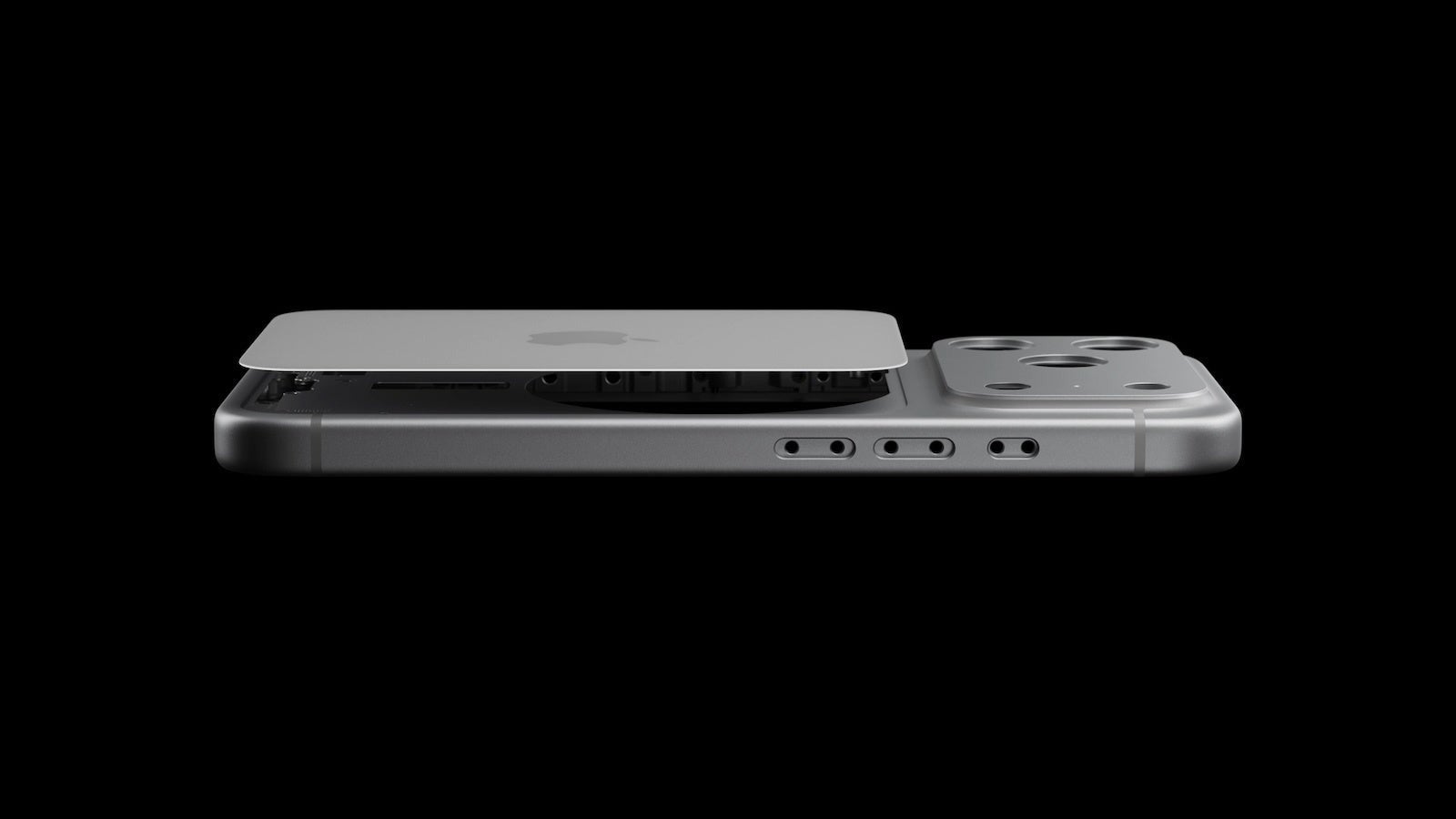
iPhone 17 Pro adds faster 40W charging, while Galaxy S25 offers reverse-wireless charging. | Image credit — Apple
The Galaxy S25 comes with a 4,000 mAh battery and 25W wired and 15W wireless charging. Apple doesn’t disclose the iPhone’s battery size, but we expect it to be somewhere around ~3,900 mAh for the nano-SIM version, and ~4,200 mAh for the eSIM one. Wired charging on the iPhone has increased to 40W wired, while wireless remains at 25W with Qi2.2 support.
One small detail is that the S25 has 4.5W reverse wireless charging, while the iPhone 17 Pro can only charge other device via cable.
| iPhone 17 Pro | Galaxy S25 |
|---|---|
| Battery size 3,700 mAh |
Battery size 4,000 mAh |
|
Charging speeds 25W wireless charging USB-C 3.2 |
Charging speeds 25W wired 15W wireless charging USB-C 3.2 |
Specs Comparison
| iPhone 17 Pro | Galaxy S25 |
|---|---|
| Size, weight 146.6 × 71.5 × 8.3 mm, 194 g |
Size, weight 146.9 x 70.5 x 7.25mm, 162g |
| Screen 6.3″ OLED 120Hz |
Screen 6.2″ OLED 120Hz |
| Processor Apple A19 Pro 3nm |
Processor Snapdragon 8 Elite 3nm |
| Versions: — 12/256 GB 12/512 GB 12/1TB LPDDRX5 |
Versions: 12/128 GB 12/256 GB 12/512 GB — LPDDRX5 |
| Cameras: 48 MP main 48 MP ultra 48 MP 4X zoom 18 MP front |
Cameras: 50 MP main 12 MP ultra 10 MP 3X zoom 12 MP front |
| Battery: ~3988/4252 mAh battery (SIM variant dependent) |
Battery: 4,000 mAh |
| Charging: USB-C 40W wired 25W wireless |
Charging: USB-C 25W wired 15W wireless |
Summary
The iPhone 17 Pro, starting at $999, pushes comes with Ceramic Shield 2 front and back, an all-48 MP 4x telephoto camera, a brighter 3,000-nit display, and faster wired charging. It’s a clear upgrade over past Pro models.
The truth will reveal itself when we compare our test results between these two to get a fuller picture, so stay tuned for those, as well as camera samples.
Source link

Latest news, essential insights and practical guides to life in Italy from The Local, Europe's leading independent voice