Last week, the
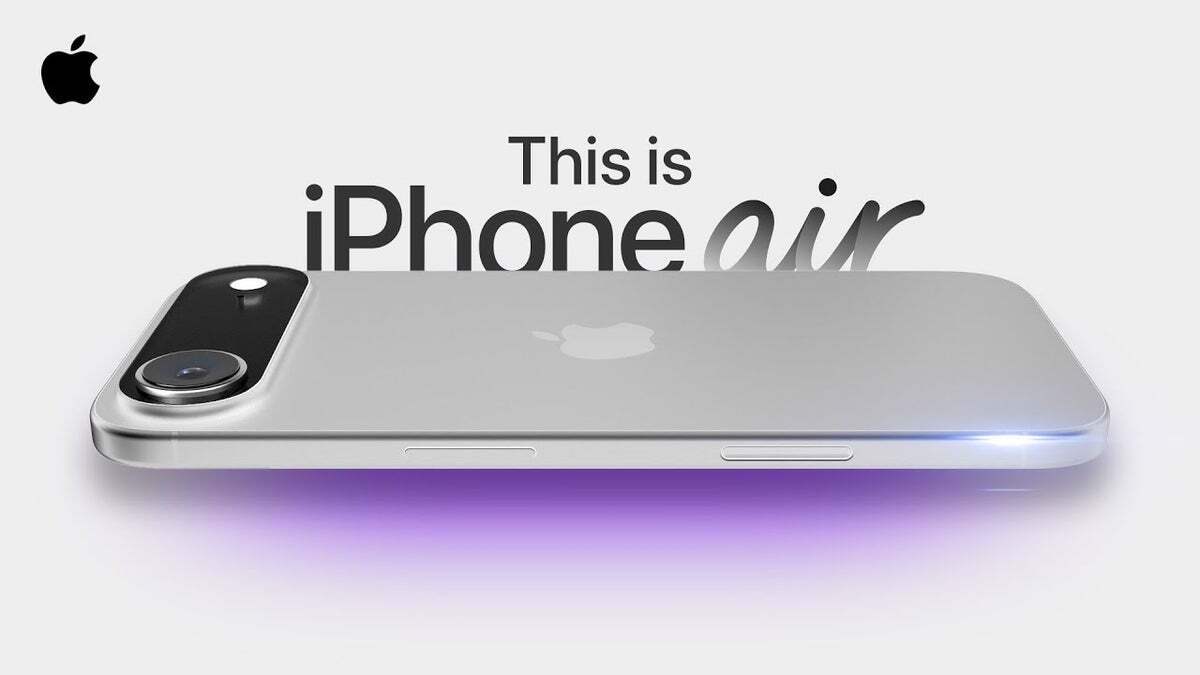
iPhone Air finally broke cover and joined the
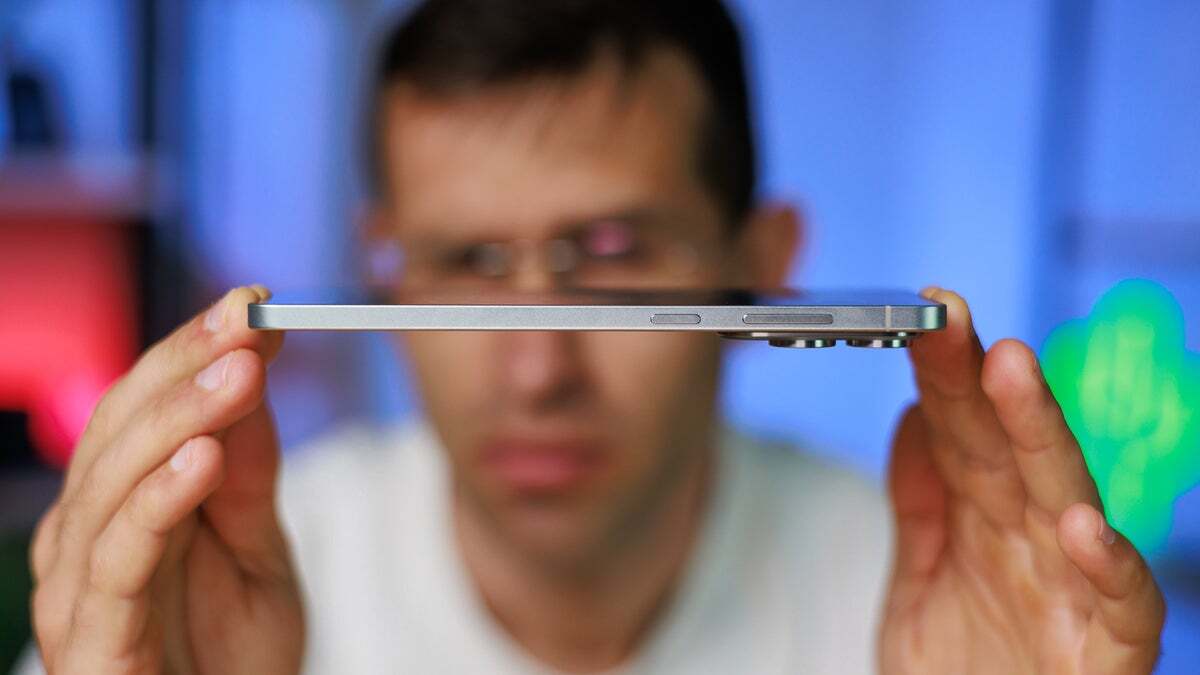
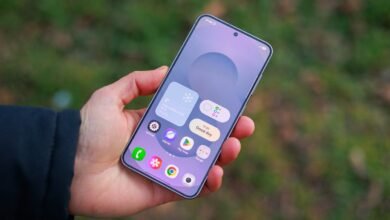
Galaxy S25 Edge in what seems to be the next smartphone trend. Very thin phones.
We caught a glimpse of this trend earlier this year during
MWC in Barcelona when Tecno showed a 5.75 mm prototype called Spark Slim. Now, the
Galaxy S25 Edge (5.8 mm) and the
iPhone Air (5.6 mm) are both living proof that this thin trend wasn’t just a fluke or a one-time concept thing.
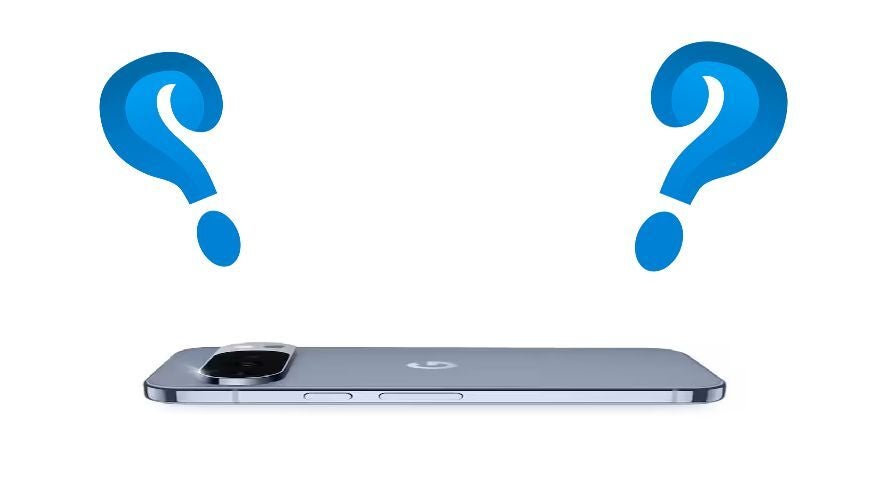
What about the Pixels, then? Where’s the
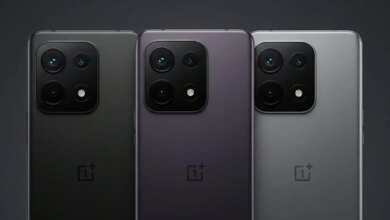
Pixel 10 Slim or whatever Google could’ve called its non-existent super-thin rival? There are a couple of reasons why there’s no thin Pixel, and also why there might not be one, at least anytime soon.
Google is playing it safe
Google was late to the foldable party, and it may be late to the thin one as well
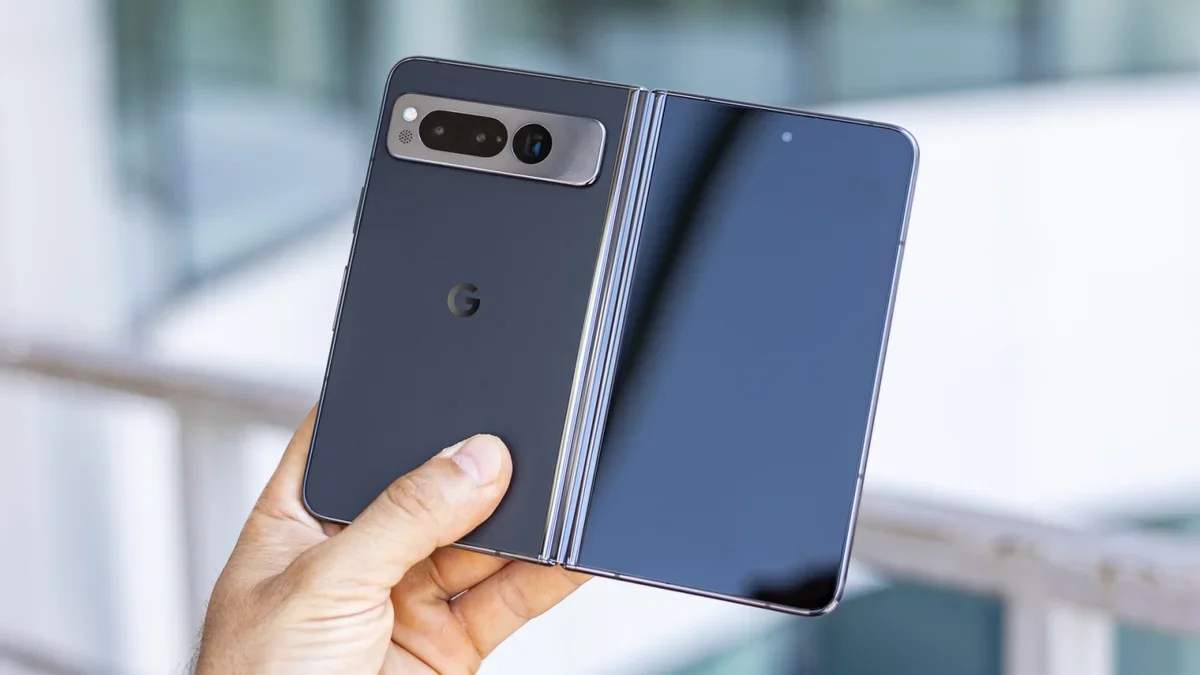
It took four long years for Google to hop on the foldable train with the first
Pixel Fold. Samsung launched its first foldable, the Galaxy Fold, back in 2019, while the original
Pixel Fold came in 2023.
The company doesn’t want to take risks when it comes to new form factors or trends, which is kind of sad, given all the cool ideas Google used to explore (
the modular ARA phone being one of them).
Even more sadly, most of those ideas now live (or should I say rest) in
Google’s graveyard, so it’s probably not surprising that we didn’t see Google jumping on the thin trend right away.
Pixel phones have a different design philosophy
The past couple of Pixel generations all have one thing in common—the quite substantial camera bump. It was the Camera Bar when the
Pixel 6 launched, and it has since evolved into an oval camera housing featured in the
Pixel 9 and
Pixel 10 series.
This doesn’t bode well with the idea of an ultra-thin phone. The thinnest Pixel device in the
Pixel 10 lineup is the
Pixel 10 Pro at 8.5 mm, but this doesn’t include the camera bump (approximately 11 mm at the camera).
No one-camera phone in the lineup
Just one single camera reminiscent of the iPhone 16e
In the case of the
iPhone Air, Apple got a free pass with the camera, so to speak. The company is one of the last to offer a smartphone with a single camera in its lineup. This dates back to the
iPhone SE days, and subsequently the
iPhone 16e, so there’s no huge risk in adopting the same approach with the
iPhone Air.
The last Pixel model with a single camera was the Pixel 3, and it launched back in 2018, more than seven years ago.
Of course, the single-camera design is not mandatory for a thin phone (the Galaxy S25 Edge has two), but it saves a lot of space and weight.
Demand for thin phones is not that big
Galaxy S25 Edge sales are below Samsung’s expectations
Well, Google is a huge company with a market capitalization in the magnitude of billions, so it’d be naive to think that the company can’t make a super-thin phone if it wanted to.
The absence of a Pixel 10 Slim or any super-thin Pixel on the horizon is probably a combination of all those things I’ve already mentioned and the sketchy demand for such thin phones.
The Galaxy S25 Edge sold around 650,000 units in the first month of sales and around 1 million in total. Compare these numbers to the 20+ million units the S25 family sold, and you’ll see how reluctant people are to embrace this new thin trend.
So, no thin Pixel anytime soon?
We might get a thin Pixel if the trend takes off
That’s not a given. Google might react if this thin-phone trend suddenly picks up and the iPhone Air and Galaxy S25 Edge start to sell like hotcakes. That said, it will take time, and we probably won’t see a super-thin Pixel 11.
What do you think? Is Google missing out by not hopping on the thin train, and have you ever thought, “Man, I wish my Pixel wasn’t so thick”? Vote in our poll and share your thoughts in the comments below.