Homeowners Are Losing Thousands In Equity Thanks To Weakening Prices
Homeowners Are Losing Thousands In Equity Thanks To Weakening Prices
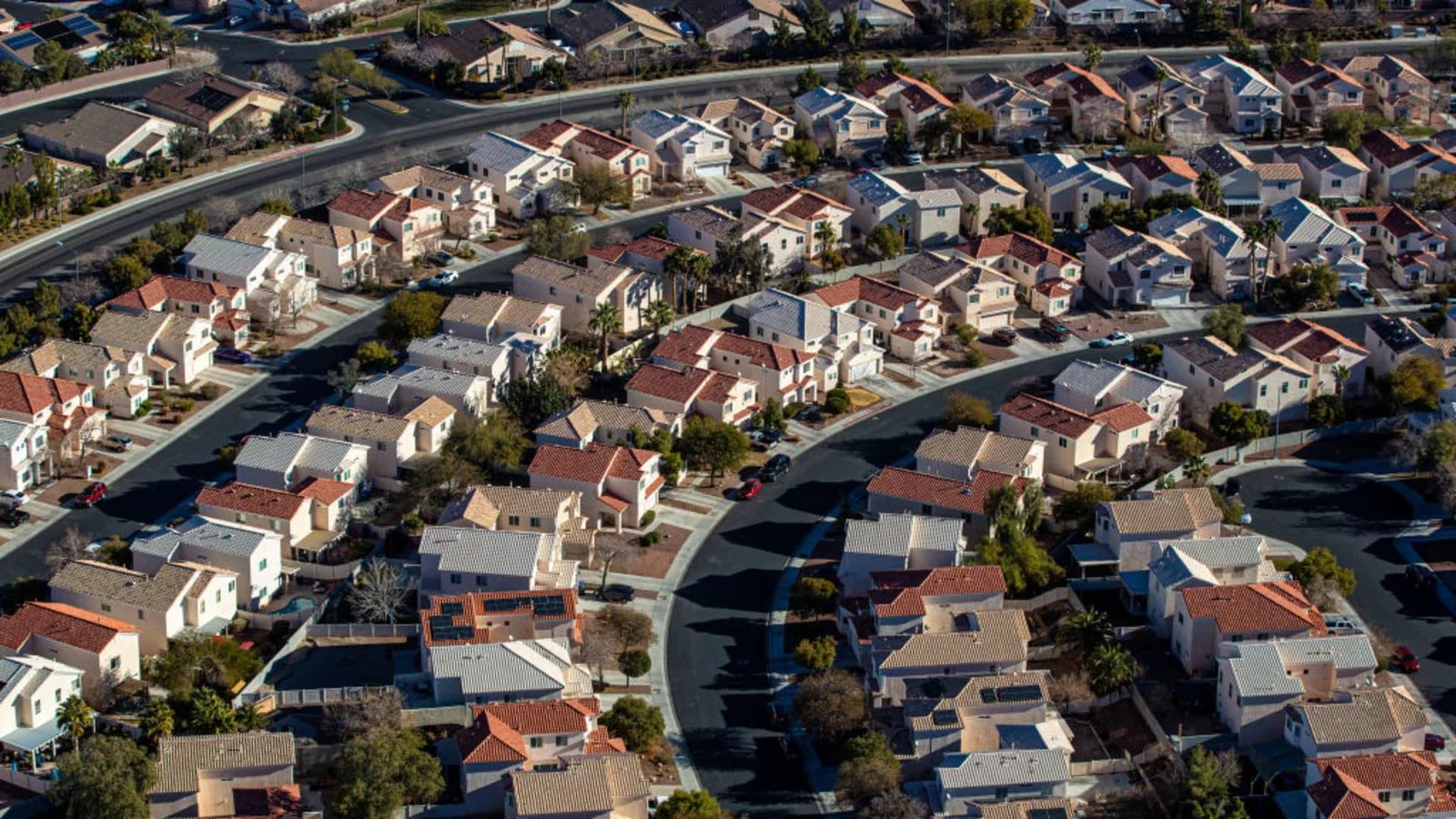
George Rose | Getty Images
Borrower equity fell 2.1% in the third quarter of this year compared with the same period a year ago, or a collective $373.8 billion, according to a report from Cotality. This comes after years of steep gains in home prices and record equity. Even after the drop, homeowners still have an overall collective net equity of $17.1 trillion for homes with a mortgage.
For the average homeowner, the third-quarter equity declines translate to a loss of $13,400. In addition, the number of homes in a negative equity position, meaning they are worth less than the mortgage on them, increased by 21% from a year ago to 1.2 million.
“As the pace of home price growth slows and markets recalibrate from pandemic peaks, we’re seeing a clear shift in equity trends,” said Selma Hepp, chief economist at Cotality. “Negative equity is on the rise, driven in part by affordability challenges that have led many first-time and lower-income buyers to over-leverage through piggyback loans or minimal down payments.”
Get Property Play directly to your inbox
CNBC’s Property Play with Diana Olick covers new and evolving opportunities for the real estate investor, delivered weekly to your inbox.
Subscribe here to get access today.
Those in a negative equity position likely purchased their homes recently, when mortgage rates were higher and prices had peaked. Homeowners have also been pulling equity out of their homes, thanks to huge gains in the past five years.
Home values are now roughly 52% higher than they were in January 2020, according to the S&P Cotality Case-Shiller national home price index. Even after mortgage rates increased in 2023, the average equity gain per homeowner was $25,000. In 2024, it was $4,900.
Not every market, however, is seeing the same dynamic. Boston, Chicago and New York are all still in the positive, according to the Cotality report. The biggest losses were in Los Angeles, San Francisco, Washington, Miami and Houston, Texas.
“The future performance of highly leveraged loans will hinge on the strength of the U.S. economy and labor market,” Hepp said. “Even as expectations for continued price appreciation and economic resilience persist, it remains critical to closely monitor these loans in the months ahead.”
Disclaimer: This news article has been republished exactly as it appeared on its original source, without any modification.
We do not take any responsibility for its content, which remains solely the responsibility of the original publisher.
Disclaimer: This news article has been republished exactly as it appeared on its original source, without any modification.
We do not take any responsibility for its content, which remains solely the responsibility of the original publisher.
Author: uaetodaynews
Published on: 2025-12-12 18:28:00
Source: uaetodaynews.com

Latest news, essential insights and practical guides to life in Italy from The Local, Europe's leading independent voice